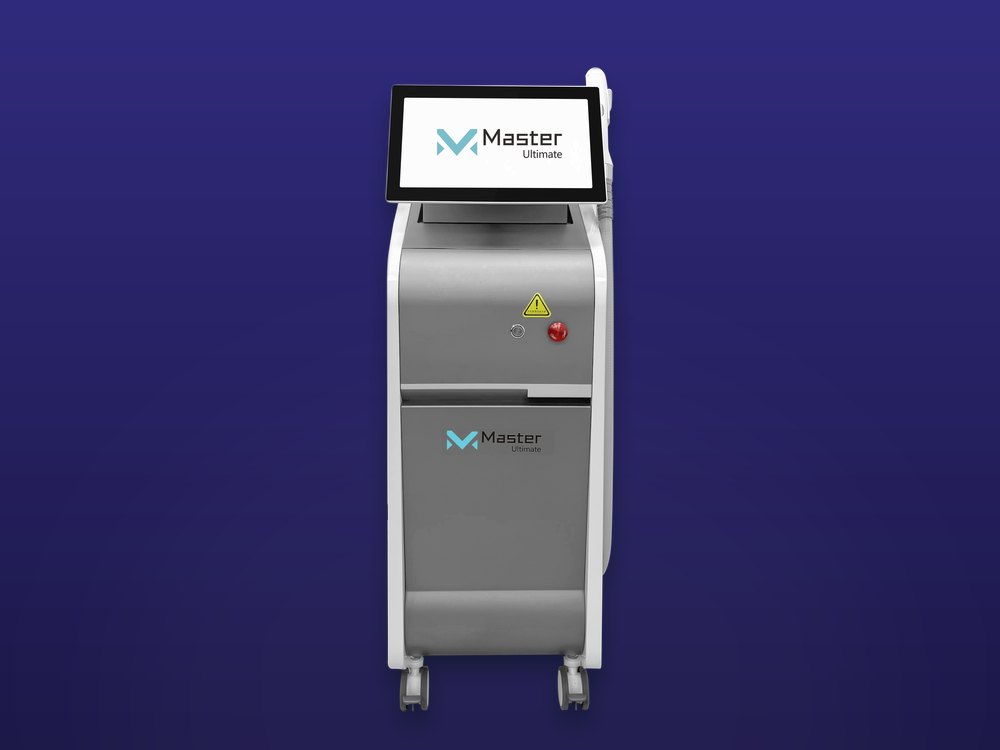
Modern photorejuvenation requires far greater spectral precision than first-generation broadband flashlamps. A clinical medical aesthetic IPL device engineered with Optimal Pulse Technology (OPT) square-wave power delivery and narrow-spectrum Delicate Pulse Light (DPL 500–600nm / 550–650nm) eliminates painful infrared heat spikes while targeting oxyhemoglobin and epidermal melanin with laser-like selectivity. SYNIXFIELD’s optical phototherapy lineup features our 3000W 9-filter AOPT Super Photon workstation and combined DPL + Hair-Removal + Q-Switched Nd:YAG clinical platforms.
Optical Upgrade: Why Square-Wave OPT + 100nm Narrowband DPL Outperforms Legacy IPL
Traditional IPL discharges a decaying capacitor spike that overheats the epidermis on the leading edge while delivering insufficient tail energy to coagulate deeper telangiectasias. Square-wave OPT maintains flat, constant fluence across every millisecond sub-pulse, while DPL dielectric cut-off filters isolate 500–600nm (vascular rosacea/PIE) and 550–650nm (epidermal lentigines) bands—delivering cleaner clearing at 30%–40% lower total energy.
SYNIXFIELD Clinical Medical Aesthetic IPL, OPT & DPL Device Portfolio
Explore multi-filter square-wave OPT workstations and multi-modality DPL + Nd:YAG optical platforms for dermatology and medspa photorejuvenation:
OPT Super Photon Platform
3000W power supply with 9 narrow-spectrum & cut-off optical filters (420–695nm) + -5°C sapphire contact cooling.
View Technical Specifications →
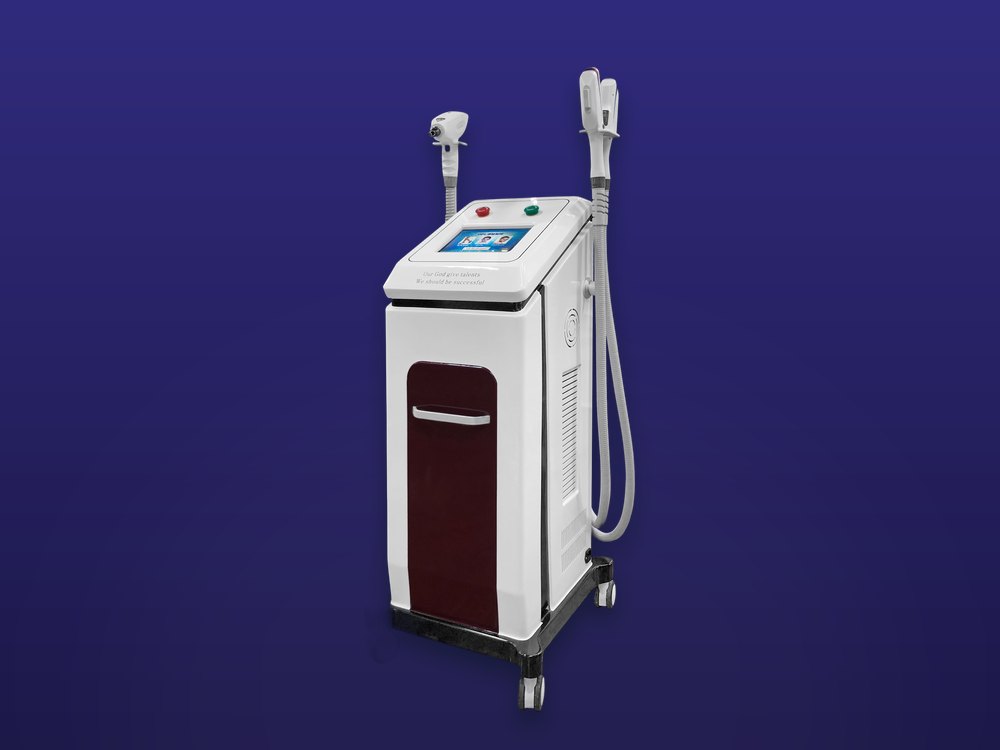
DPL + SHR + Nd:YAG Optical Workstation
Combines 500–600nm vascular DPL, in-motion SHR epilation, and 1064/532nm Q-Switched Nd:YAG pigment removal.
View Technical Specifications →
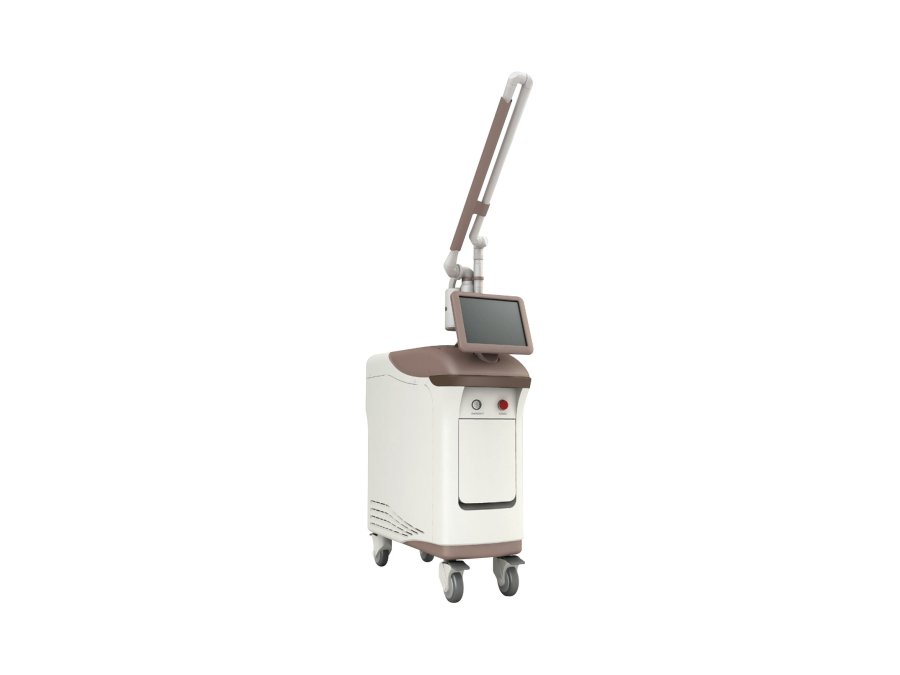
HELIOS III 4G Pigment Laser
Ideal clinical pairing with OPT/DPL photofacials for deep dermal melasma and refractory pigment spots.
View Technical Specifications →
MAKGRAC DPL + NIR Milk Light System
Group-ecosystem sibling combining 500–600nm DPL clarity with 900–1800nm Near-Infrared porcelain skin toning.
View Technical Specifications →
Clinical Cut-Off & Narrowband Filter Selection Matrix (OPT / AOPT / DPL)
Match exact optical filter bands, chromophore absorption peaks, and sub-pulse structures to patient vascular, acne, pigment, and skin-tone indications:
| Filter Band | Optical Spectrum | Primary Target Chromophore | Clinical Indications | Sub-Pulse / Cooling Strategy | Fitzpatrick Range |
|---|---|---|---|---|---|
| 420 nm Cut-Off | 420 – 1200 nm | Porphyrins (C. acnes) & hemoglobin | Inflammatory acne vulgaris, sebum reduction | 2–3 gentle sub-pulses; 10–14 J/cm² | Fitzpatrick I – IV |
| 500–600 nm DPL | 100 nm Narrowband | Oxyhemoglobin (542 / 577 nm peaks) | Rosacea, facial telangiectasia, post-acne erythema (PIE) | Fast 3–5 Hz gliding or double pulse | Fitzpatrick I – IV |
| 515 / 560 nm Cut-Off | 515 / 560 – 1200 nm | Epidermal melanin & superficial vessels | Solar lentigines, freckles, photoaging dyschromia | Double square-wave pulse; 14–18 J/cm² | Fitzpatrick I – III |
| 550–650 nm DPL | 100 nm Narrowband | Epidermal melanin + micro-vessels | Dullness, mild melasma toning, uneven complexion | In-motion sweeping; -5°C sapphire chill | Fitzpatrick I – IV |
| 590 / 640 nm Cut-Off | 590 / 640 – 1200 nm | Deep dermal water & deeper vessels | Photorejuvenation, Fitzpatrick IV brightening, collagen | Long thermal relaxation delay (20–30 ms) | Fitzpatrick II – V |
| 695 nm Cut-Off | 695 – 1200 nm | Follicular melanin & deep dermis | Super-Hair-Removal (SHR) & gentle dermal toning | 10 Hz continuous gliding over chill gel | Fitzpatrick I – V |
Combined Vascular & Pigment Phototherapy Protocols
Patients seeking photorejuvenation rarely present with isolated pigment or isolated erythema—most exhibit mixed sun damage combining solar lentigines, diffuse cheek flushing, and enlarged capillaries. A multi-filter square-wave medical aesthetic IPL device enables practitioners to execute “dual-pass AOPT” in a single 20-minute session: first sweeping with a 590nm or 640nm cut-off filter to gently pre-warm deeper vasculature and brighten skin tone, then applying a targeted 500–600nm vascular DPL or 515nm/560nm spot pass over discrete lentigines and nasal telangiectasias.
For practices managing complex dermal melasma alongside superficial redness, pairing narrowband DPL 500–600nm with a 1064nm Q-Switched Nd:YAG workstation (as integrated in our DPL + Nd:YAG 3-in-1 Optical Platform) resolves both the vascular VEGF-driven melasma trigger and deep dermal melanosomes simultaneously.
3000W Power Capacitors, Xenon Lamp Longevity & Sapphire TEC Cooling
Square-wave OPT fidelity depends on capacitor bank capacitance and power supply stabilization. SYNIXFIELD’s 3000W power architecture eliminates mid-pulse voltage droop even during rapid 3–10 Hz sliding operation, while German Heraeus / medical-grade xenon flashlamps maintain stable spectral output across 300,000–500,000+ pulses. Thermoelectric semiconductor cooling chills the sapphire crystal lightguide to -5°C continuously, protecting epidermal melanocytes and ensuring zero-downtime clinic turnover. All optical assemblies are validated under LEIJEX ISO 13485 spectrometer QA protocols.
Curated Clinical Monographs & Engineering Guides (IPL / DPL Pillar)
Review optical filter tables, vascular oxyhemoglobin curves, and dual-pass photorejuvenation SOPs:
Medical Aesthetic IPL Device Clinical Guide: DPL 500-600nm vs. OPT Square-Wave
Core IPL Pillar · Narrowband DPL vs. OPT physics & clinical tables
Multi-Filter Square-Wave OPT / AOPT Phototherapy Filter Matrix
IP-03 Monograph · 420nm, 515nm, 560nm, 590nm, 640nm & 695nm filter selection
The Science of Epidermal Cryo-Cooling During High-Energy Photothermal Therapies
Safety Science · Sapphire TEC thermal gradient protection
Fitzpatrick Skin Type I–VI Energy Parameter & Clinical Modality Selector
Protocol Matrix · Phototype safety ceilings across IPL, laser & RF
Xenon Lamp Lifespan, Square-Wave Capacitor Banks & Vascular Filter Stacking
Consistent clinical results from a medical aesthetic IPL device hinge on capacitor bank capacity and optical filter cut-off steepness rather than peak headline wattage alone. Legacy IPL machines powered by undersized capacitors suffer steep energy droop across multi-millisecond pulses, delivering an uncontrolled high-energy spike followed by weak tail output—causing epidermal blistering on vascular targets while failing to coagulate deeper telangiectasias. Square-wave OPT and narrowband DPL platforms employ oversized multi-capacitor discharge banks with real-time current feedback to keep fluence flat across the entire pulse window.
Clinics maximizing treatment utilization pair 500–600nm DPL vascular handpieces (targeting oxyhemoglobin absorption peaks for rosacea, post-acne erythema, and facial flushing) with 560nm/590nm/640nm quick-swap sapphire filters and 900–1800nm NIR Milk Light infrared tightening. Because contact sapphire cryogen-free TEC cooling remains locked at -4°C to 0°C throughout continuous stamping or in-motion passes, patients complete full-face photofacials in 15–20 minutes with zero anesthesia and immediate return to daily routines.
Procurement Verification Checklist for Clinical IPL & DPL Systems
- True Square-Wave Discharge Curve: Confirm constant-current OPT oscilloscope profiles with zero initial thermal spike across 1-pulse, 2-pulse, and 3-pulse sub-pulse trains.
- Dichroic Cut-Off Filter Precision: Verify multi-layer dielectric coatings (420nm, 515nm, 560nm, 590nm, 640nm, 695nm, and 500–600nm DPL) that block harmful UV (<400nm) and excess deep IR heating.
- German/UK Xenon Lamp Durability: Inspect rated flash counts (300,000–500,000+ pulses) and modular quick-change handpiece engineering to minimize clinic downtime.
- Active Contact Sapphire Cooling: Ensure continuous high-thermal-conductivity sapphire crystal blocks maintain sub-zero surface comfort during high-fluence vascular passes.
Combined Vascular-Pigment Stacking, Cooling Calibration & Clinic Revenue Packaging
In busy dermatology and aesthetic clinics, a high-stability medical aesthetic IPL device serves as both a standalone lunchtime photofacial engine and an essential primer before fractional RF or laser resurfacing. Because oxyhemoglobin peaks near 542nm and 577nm while superficial epidermal melanin absorbs broadly across 500–650nm, utilizing a narrow-spectrum 500–600nm DPL handpiece clears diffuse facial telangiectasias, post-acne erythema (PIE), and rosacea flushing at significantly lower total radiant exposure than legacy broadband flashlamps. Immediately following vascular clearance with a 900–1800nm NIR Milk Light pass induces gentle 42°C–45°C dermal fibroblast stimulation for instant luminosity and pore tightening.
Standardizing 4-to-6-session photofacial memberships spaced 3–4 weeks apart creates predictable recurring revenue while preparing patient skin for higher-tier RF or microneedling packages. Prior to every session, technicians should verify clean optical coupling gel application (1–2mm clear bubble-free layer), confirm sapphire crystal frosting at -4°C to 0°C, and perform a test pulse along the lateral mandibular angle to evaluate immediate erythema and subtle pigment darkening before proceeding across the central cheeks and nose.
Frequently Asked Questions: Medical Aesthetic IPL Devices
What is the difference between DPL 500–600nm and standard broadband IPL?
Standard IPL emits 400–1200nm broadband light with wasteful infrared wavelengths that heat water non-specifically, whereas DPL uses precision dielectric interference coatings to isolate a tight 100nm band (500–600nm or 550–650nm) matched directly to oxyhemoglobin and superficial melanin.
Why does a 3000W power supply matter on a medical aesthetic IPL device?
A 3000W power supply keeps capacitor voltage completely flat during high-repetition 3–10 Hz in-motion gliding and triple-pulse square-wave AOPT delivery, preventing energy decay from shot 1 to shot 500.
Can DPL/OPT be combined with Q-Switched Nd:YAG or RF microneedling?
Yes. Vascular DPL (500–600nm) pairs excellently with 1064nm Q-Switched toning for vascular melasma and with sub-pulse Gold RF microneedling for rosacea stabilization.
Factory-Direct Clinic & Distributor Supply — Medical Aesthetic IPL Devices
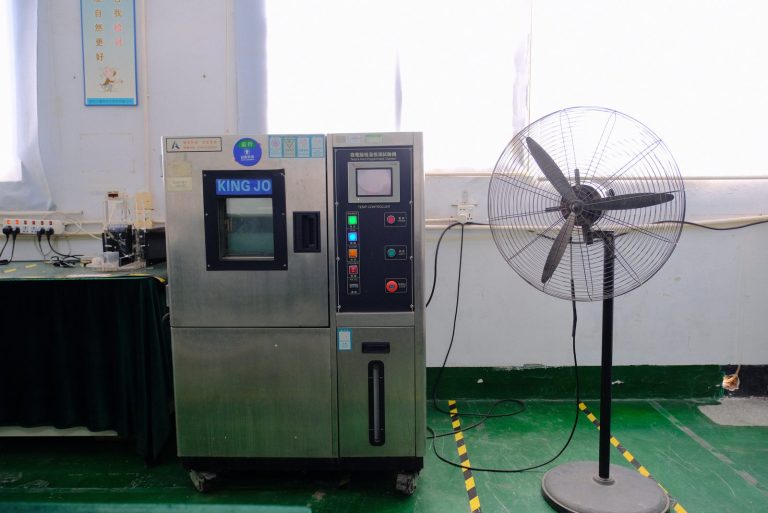
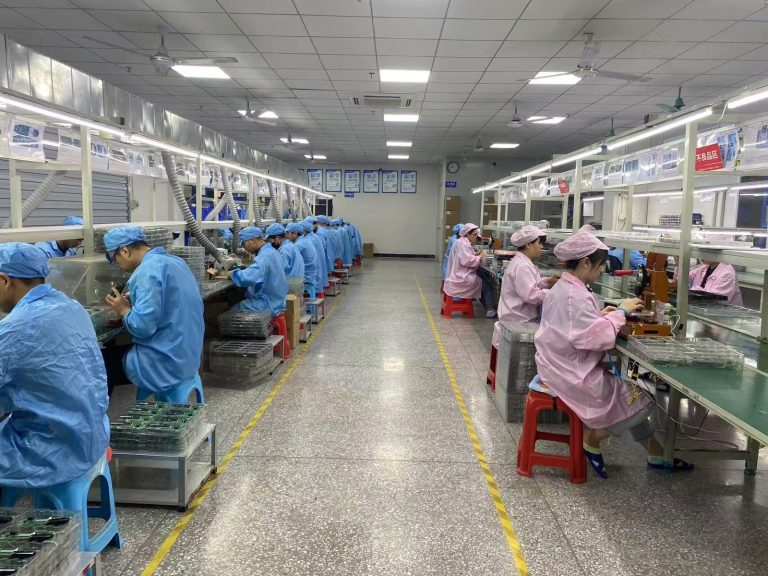
Every SYNIXFIELD medical aesthetic IPL device is manufactured inside our ISO 13485 Shenzhen cleanrooms by parent group LEIJEX (Energy-Based Medical Aesthetic Device Manufacturer) with 48-hour full-power burn-in calibration, doctor-led clinical SOP manuals, and 24/48-hour global telemetry engineering support.