The device you buy today will sit in your treatment room for years. Beyond price and before-and-after photos, what really matters is the manufacturer behind the machine — its engineering discipline, its documentation, and its willingness to stand behind the product long after the invoice is paid. Here is a five-item checklist we recommend every clinic and distributor work through before signing.
1. A Real Quality Management System
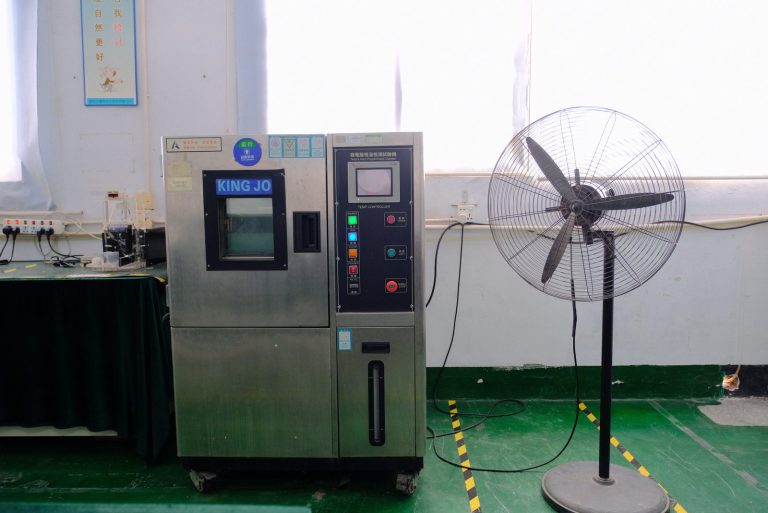
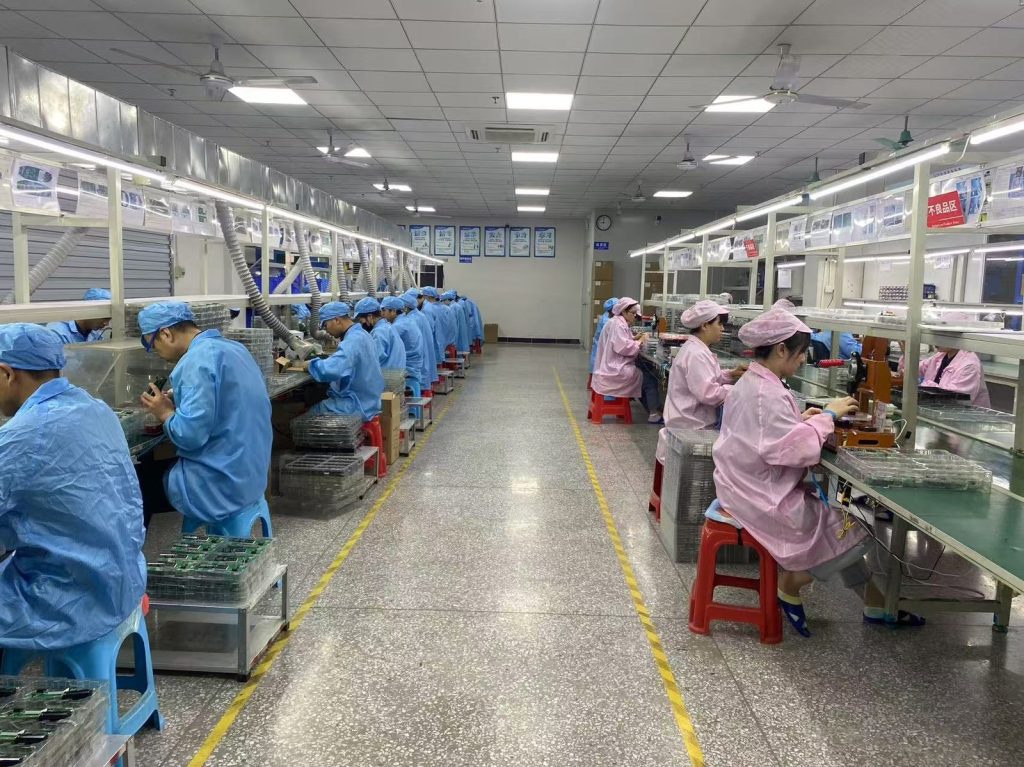
Ask whether the manufacturer operates under a documented medical device quality management system — and go beyond certificates: how incoming components such as laser bars and RF sources are inspected, whether each unit carries a unique serial number for traceability, and what factory testing is documented before shipment. If possible, visit the factory or ask for a live video walkthrough of the production line. A manufacturer who can walk you through these processes is fundamentally safer to buy from than one who cannot.
2. Verifiable Engineering Substance
Specifications must survive scrutiny. Request the full factory specification sheet: wavelength, output power, pulse width range, energy settings, cooling method, and spot size. Cross-check that the training materials explain mechanisms, not just marketing claims. A courseware that honestly lists contraindications, endpoint reactions, and treatment intervals is a strong signal that the engineering team — not just the sales team — is in charge of the product.
3. Training That Makes the Device Productive
The gap between owning a device and earning with it is operator competence. Before purchasing, confirm the manufacturer provides structured training courseware with standard operating procedures, indication-by-indication parameter guidance, contraindication screening protocols, and refresher training options. Good courseware also covers endpoint reactions and post-treatment care, so your team can manage client expectations responsibly. Ask how long a new operator typically needs to become proficient — and whether training is included in the purchase or charged separately.
4. After-Sales You Can Put in Writing
Downtime is lost revenue. Clarify in the contract: response-time commitments, remote diagnosis capability, spare-parts availability and pricing, and warranty coverage of core components such as laser bars. A manufacturer that hesitates to put these terms in writing is telling you something important.
5. Long-Term Partnership Capability
Your project line will grow. Check whether the manufacturer offers multiple energy platforms — laser, RF, ultrasound, microneedling, and photonic — so you can scale within one service ecosystem, and whether 定制合作 services are available for distributors building their own brands. Ask about the product roadmap too: a manufacturer that iterates its platforms will keep your treatment menu competitive. A supplier relationship that can grow with you saves enormous coordination cost over the years.
The Bottom Line
Treat a device purchase as choosing a multi-year partner, not buying a box. Verify the quality system, the specifications, the training, the service terms, and the product roadmap — in that order.
SYNIXFIELD and its parent company Leijie Medical design and manufacture energy-based aesthetic devices under a documented medical device quality system, with full documentation and training support for clinics and distributors worldwide. Browse our technology platforms on synixfield.com or send an inquiry to receive specification sheets and a quotation.
Going deeper: the LEIJEX group site publishes a practical manufacturer verification guide and a factory audit checklist – both map directly to the checklist items above. You can also see how LEIJEX runs manufacturing and quality control first-hand.
\n
Aesthetic Device Manufacturer or Supplier? Check the Difference
\n
When a buyer searches for an aesthetic device manufacturer or aesthetic device supplier, the same checklist should identify who owns the technology, who controls production and who will provide service after delivery. A clear answer is more valuable than a broad catalogue.
\n
- Manufacturer: can explain development ownership, production controls and verification records.
- Supplier: should disclose the original manufacturer, warranty path and spare-parts responsibility.
- OEM/ODM partner: should define what is standard, what is customized and how validation is documented.
\n
For the wider company landscape, see the aesthetic medical device companies guide; for equipment categories, see the medical aesthetics devices buyer’s guide.
\n
SYNIXFIELD: Medical Aesthetic Devices for Professional Clinics
\n
SYNIXFIELD is LEIJEX Group’s medical aesthetics brand. This manufacturer and supplier checklist is for professional clinics, medical aesthetic practices and distributors evaluating laser, RF, ultrasound and microneedle platforms. The sister brand MAKGRAC covers professional life-beauty and salon equipment on its own brand site.
\n
For group-level R&D, quality, compliance and manufacturing capability, see the LEIJEX group overview. For medical aesthetic equipment categories and buying decisions, continue with the medical aesthetics devices buyer’s guide.