A modern dermatology clinic’s core revenue engine depends on selecting the right medical aesthetic laser device portfolio across pigment clearance, permanent hair reduction, and fractional skin resurfacing. SYNIXFIELD manufactures eight specialized laser platforms—spanning 350–450ps ultra-short picosecond lasers with honeycomb MLA LIOB optics, RTP twin-pulse 4G Q-Switched Nd:YAG toning workstations, high-power 1200W 808nm and triple-wavelength (755/808/1064nm) sapphire diode hair removal lasers, 1470nm non-ablative fractional BB pore-refinement lasers, and 10600nm fractional CO2 surgical resurfacing systems.
Selective Photothermolysis vs. Photoacoustic LIOB Engineering
Medical aesthetic laser devices operate across distinct temporal regimes: ultra-short picosecond pulses (350–450 ps) shatter dermal tattoo ink and melanosomes via pure photoacoustic pressure waves with negligible collateral heat, nanosecond RTP Q-Switched Nd:YAG lasers safely clear melasma via sub-threshold toning, 808nm/755nm/1064nm millisecond diode lasers coagulate follicular stem cells, and 10600nm/1470nm water-absorbing fractional lasers remodel atrophic acne scars.
SYNIXFIELD Clinical Medical Aesthetic Laser Device Portfolio (8 Platforms)
Explore every clinical laser workstation engineered for dermatologic pigment, vascular, hair reduction, and resurfacing indications:
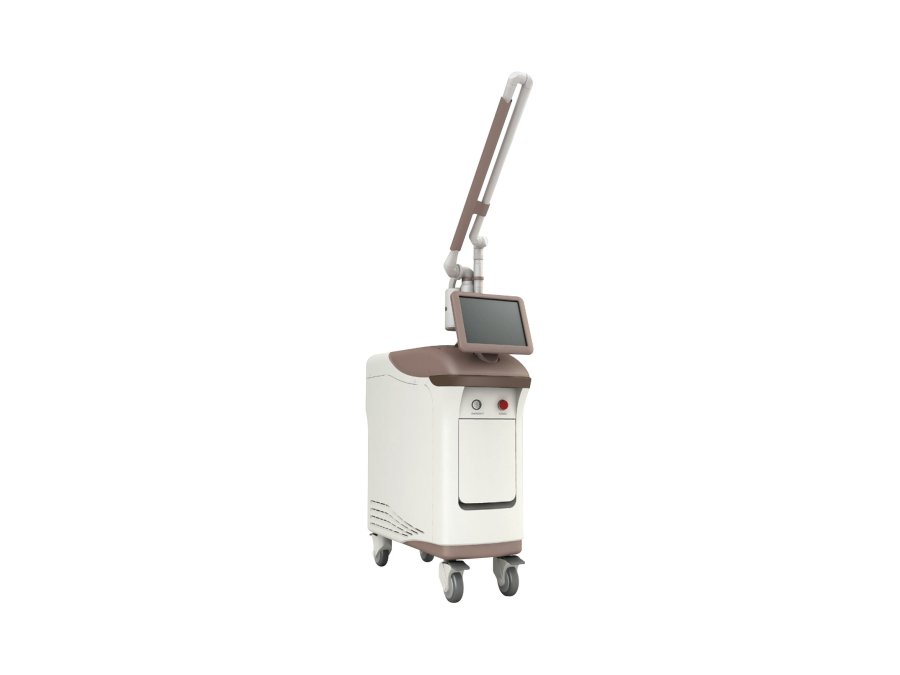
PICOSTAR Picosecond Laser
Three-wavelength picosecond laser with honeycomb MLA fractional handpiece for LIOB scar remodeling & tattoo removal.
View Technical Specifications →
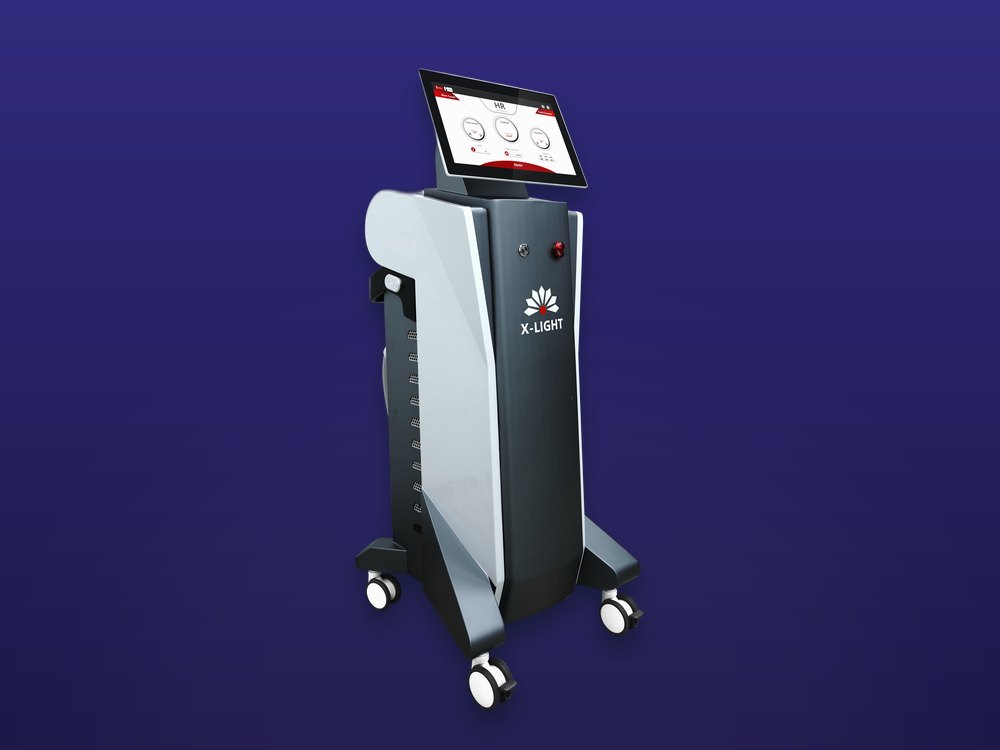
HELIOS III Dual-Wavelength Laser
4G fractional & RTP twin-pulse 1064/532nm pigment platform for zero-rebound melasma & Nevus of Ota.
View Technical Specifications →
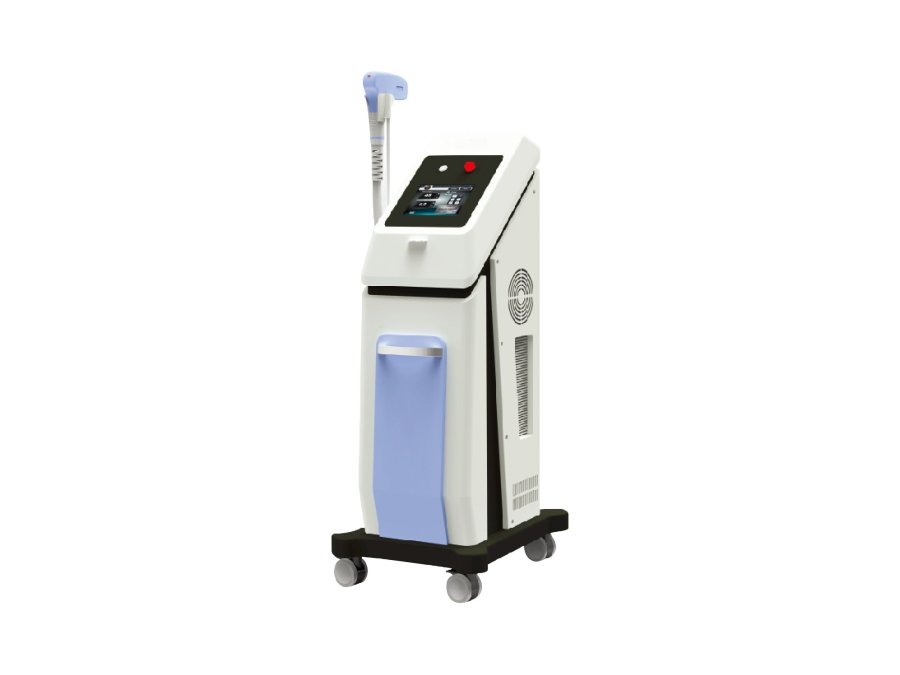
1200W 808nm Diode Epilation
Coherent USA macro-channel laser bars with sapphire TEC contact cooling for rapid, painless hair removal.
View Technical Specifications →
DIODE AROMA II 808nm Diode
High-speed in-motion 808nm diode system engineered for high-throughput clinic hair reduction workflows.
View Technical Specifications →
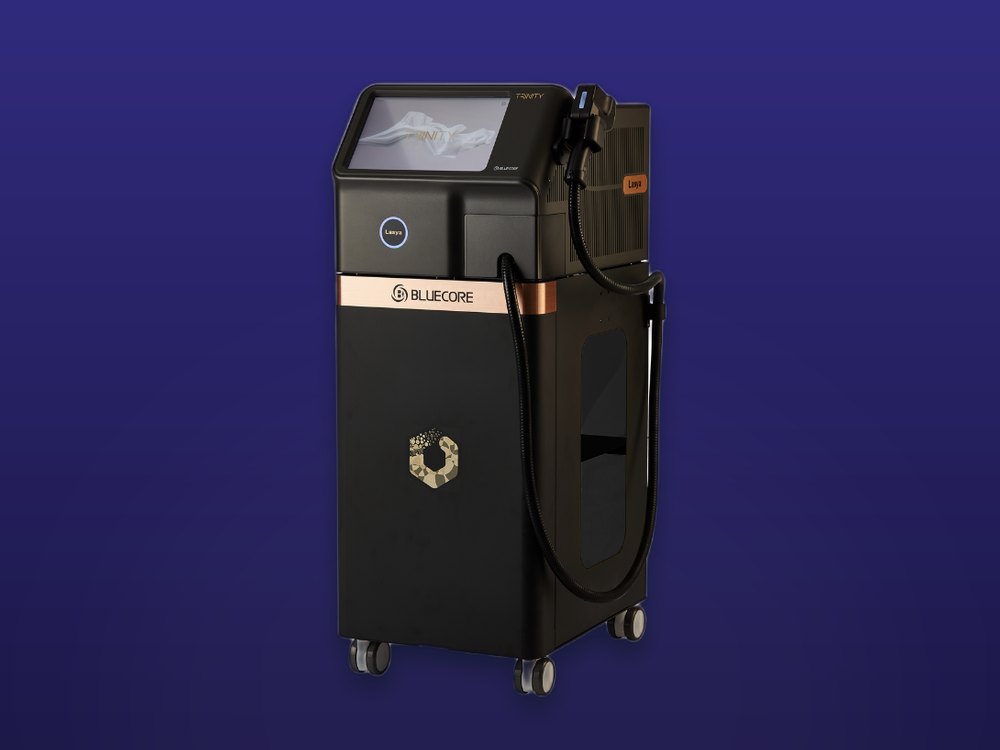
TRINITY Triple-Wavelength Diode
Simultaneous 755nm Alexandrite, 808nm Diode & 1064nm Nd:YAG output targeting all Fitzpatrick I–VI follicles.
View Technical Specifications →
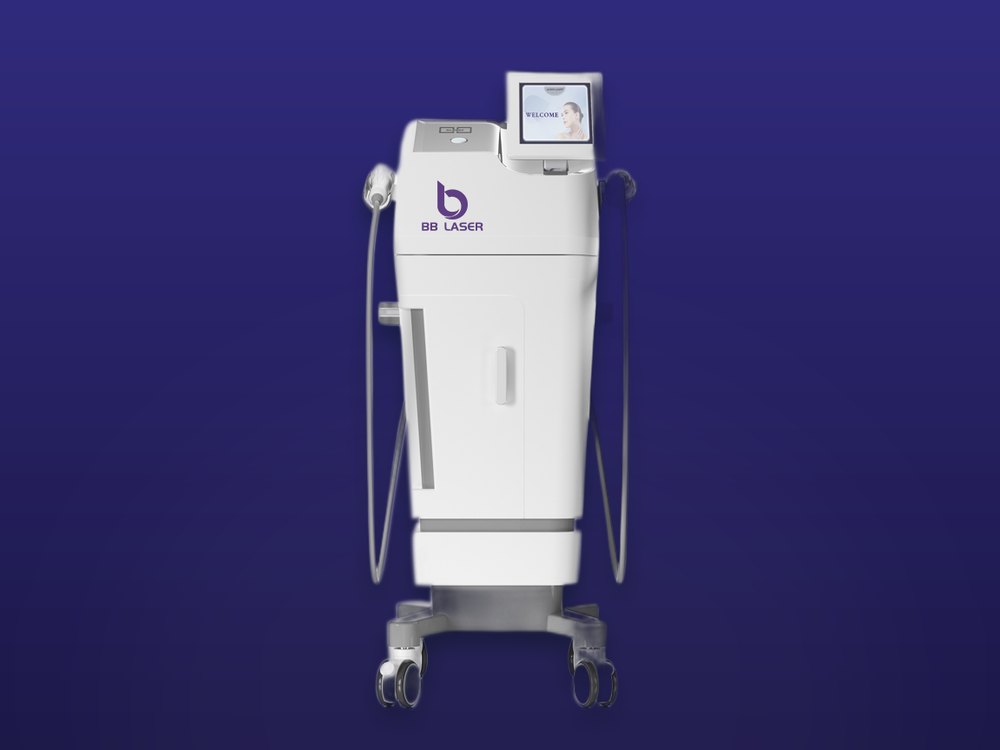
BB Laser 1470nm Fractional
Water-chromophore non-ablative micro-thermal zones for enlarged pores, melasma brightening & zero-crust recovery.
View Technical Specifications →
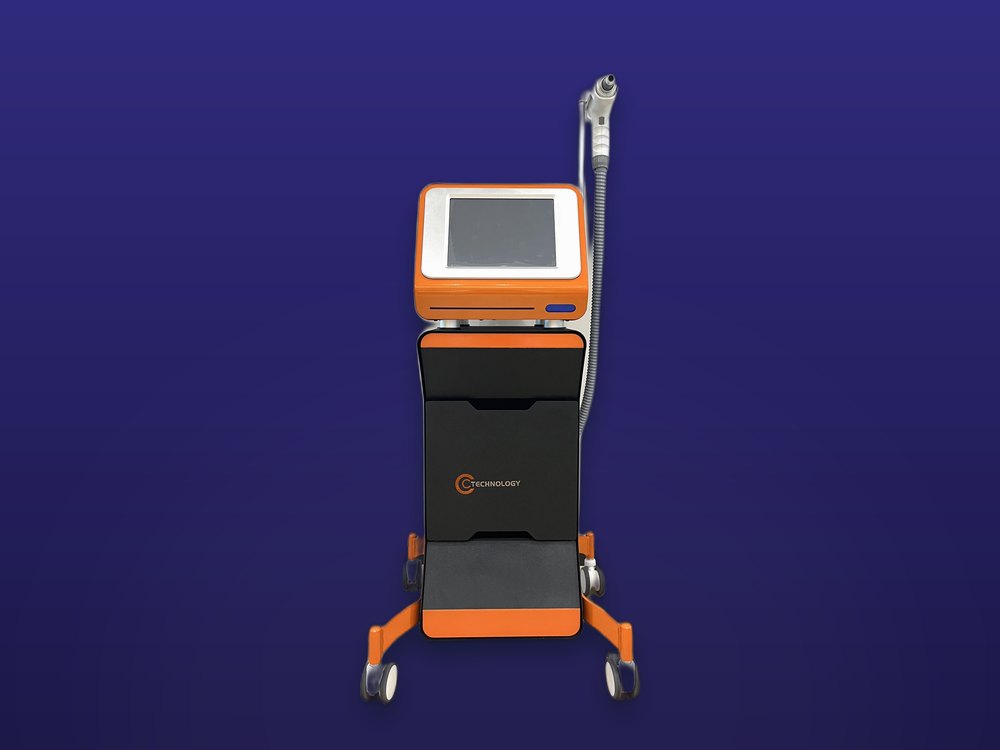
CC 500W Q-Switched Pigment Laser
Top-hat beam 532/1064nm Q-Switched laser with carbon peel handpiece for solar lentigines and dermal pigment.
View Technical Specifications →
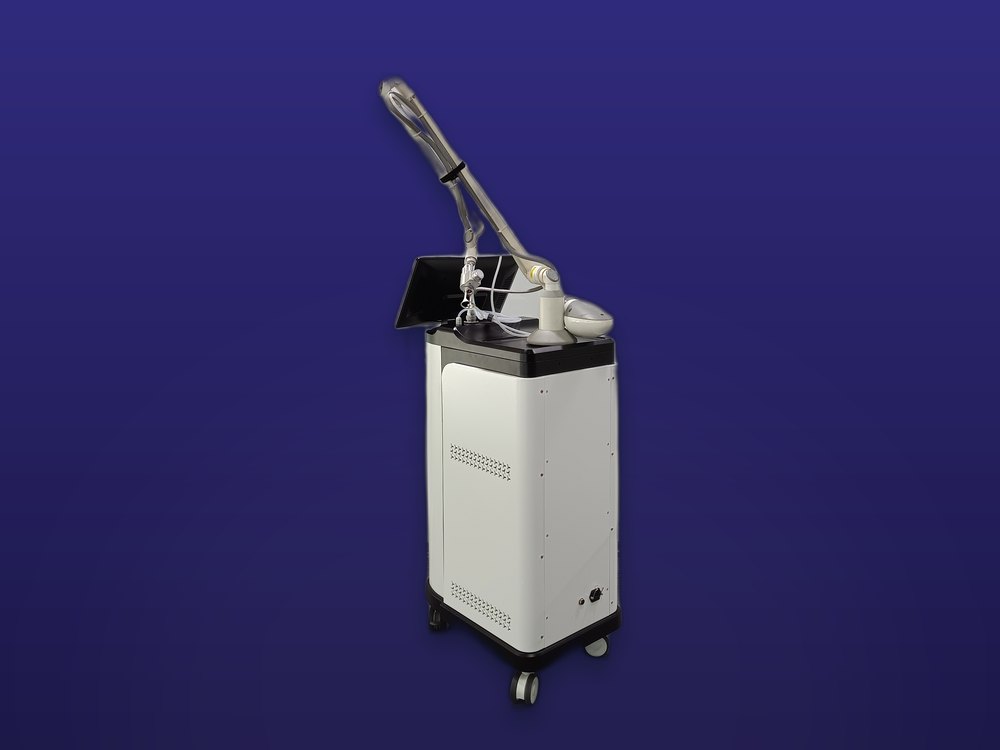
CO2 Fractional Laser (4 Modes)
RF-excited metal tube 10600nm CO2 system for deep rolling/boxcar acne scars, striae, and surgical excision.
View Technical Specifications →
Master Engineering & Clinical Comparison Table: Medical Aesthetic Laser Systems
Compare wavelength physics, pulse duration, chromophores, downtime, and Fitzpatrick suitability across our medical aesthetic laser device platforms:
| Laser Modality | Wavelength(s) | Pulse Duration | Target Chromophore | Primary Clinical Indications | Downtime & Safety Ceiling |
|---|---|---|---|---|---|
| Picosecond + MLA (PICOSTAR) | 1064 / 532 / 755 nm | 350 – 450 ps | Melanin, tattoo ink, LIOB plasma | Multi-color tattoos, dermal melasma, acne scars | 12–24 hrs mild erythema (Fitzpatrick I–VI) |
| 4G RTP Q-Switched Nd:YAG (HELIOS III) | 1064 / 532 nm | 5 – 8 ns (RTP Twin) | Melanosomes & exogenous ink | Laser toning, Nevus of Ota, carbon Hollywood peel | 0–12 hrs erythema (Zero-rebound melasma) |
| 1200W & Triple Diode (TRINITY/AROMA) | 755 / 808 / 1064 nm | 5 – 400 ms | Follicular melanin (bulb/bulge) | Permanent hair reduction on fine & coarse hair | 0 hrs downtime (-5°C sapphire cooling, I–VI) |
| 1470nm Non-Ablative (BB Laser) | 1470 nm | Millisecond MTZ | Upper dermal interstitial water | Enlarged pores, post-acne texture, epidermal glow | 24 hrs mild redness; stratum corneum intact |
| Fractional CO2 Laser | 10,600 nm | UltraPulse / SuperPulse | Intracellular & extracellular water | Deep icepick/boxcar scars, rhytids, benign lesions | 5–7 days micro-crusting (Fitzpatrick I–IV) |
Multi-Modality Laser Stacking in Modern Dermatology Clinics
No single wavelength resolves every cutaneous concern. A high-margin dermatology practice pairs a picosecond or 4G Q-Switched Nd:YAG medical aesthetic laser device for pigment and LIOB scar remodeling with a water-targeting 1470nm non-ablative or 10600nm fractional CO2 laser for structural collagen rebuilding. In Asian and Mediterranean phototypes (Fitzpatrick III–V), combining low-fluence 1064nm RTP twin-pulse laser toning with 1470nm non-ablative pore remodeling clears stubborn mixed melasma while tightening pilosebaceous openings without triggering post-inflammatory hyperpigmentation.
For aesthetic hair removal clinics, upgrading from legacy single-wavelength 808nm stacks to Coherent USA triple-wavelength 755/808/1064nm platforms allows practitioners to treat fine superficial blonde/light hair (755nm), standard terminal hair (808nm), and deep coarse follicles on Fitzpatrick V–VI patients (1064nm) simultaneously inside a single pass.
Articulated Arm Precision, Coherent Diode Stacks & Spectrometer Calibration
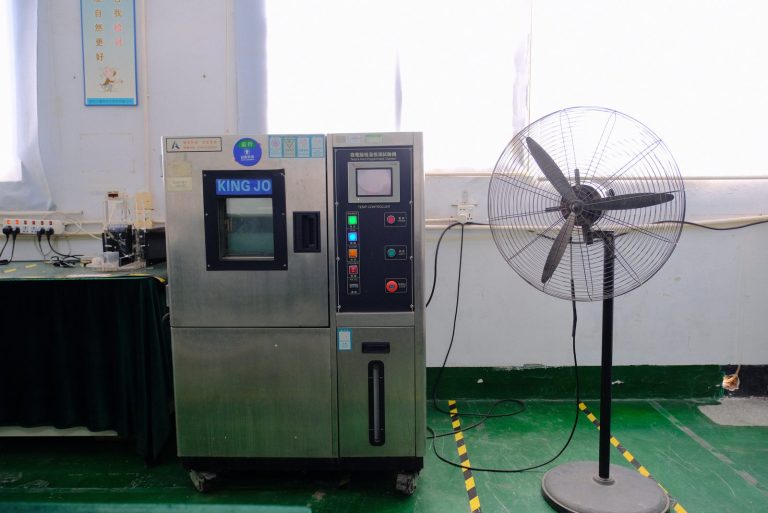
Beam profile uniformity defines safety in every medical aesthetic laser device. Gaussian hot-spots in low-cost Q-switched or CO2 lasers cause pinpoint bleeding and unpredictable scarring, whereas SYNIXFIELD optical cavities employ top-hat spatial beam homogenization across 7-joint Korean/German articulated arms. Every diode hair removal handpiece undergoes spectrometer wavelength verification and thermal imaging under continuous 48-hour full-power burn-in testing at LEIJEX ISO 13485 facilities before clinical shipment.
Curated Clinical Monographs & Engineering Guides (Laser Pillar)
Access deep biophysical breakdowns, LIOB energy tables, and multi-wavelength hair/pigment protocols:
Picosecond vs. Q-Switched Nanosecond Lasers: Photoacoustic Shockwave
Core Laser Pillar · Picosecond vs. nanosecond stress relaxation physics
Fractional Honeycomb MLA Picosecond Laser (LIOB Cavitation)
LS-02/03 Monograph · Non-ablative acne scar remodeling & multi-color tattoos
RTP Twin-Pulse & Fractional 4G Q-Switched Nd:YAG Laser Toning
LS-04 Monograph · Zero-rebound melasma & Nevus of Ota protocols
1470nm Non-Ablative Fractional Diode vs. 1550nm Erbium Glass
LS-07 Monograph · Zero-crusting pore refinement & barrier rebuilding
808nm Diode Laser vs. Alexandrite & Nd:YAG Hair Removal Phototypes
Diode Laser Guide · Pulse width & cooling across Fitzpatrick I–VI
Fractional CO2 Laser Resurfacing: MTZs & Deep Scar Remodeling
CO2 Resurfacing Guide · UltraPulse MTZ density & thermal recovery
Optical Cavity Engineering, Cooling Loops & Clinic Throughput Economics
Long-term profitability with a medical aesthetic laser device depends on optical beam stability, pulse-to-pulse fluence consistency, and thermal management during continuous back-to-back clinic appointments. High-energy solid-state Nd:YAG resonators (picosecond and 4G Q-switched systems) rely on precision-aligned 7-joint articulated arms and temperature-stabilized deionized water chillers; without closed-loop thermal regulation, cavity misalignment and thermal lensing cause hot-spot spikes that elevate post-inflammatory hyperpigmentation risk in melanin-rich patients.
In high-throughput laser hair removal practices, Coherent USA macro-channel diode bars paired with TEC active sapphire cooling (-5°C) maintain steady output density at 10Hz in-motion repetition rates without bar burnout. For practices positioning around scar revision and photoaging, stacking a 1470nm non-ablative fractional BB laser for low-downtime pore refinement alongside a 10,600nm RF-excited metal-tube CO2 platform for severe boxcar and rolling acne scars captures both lunchtime cosmetic demand and surgical dermatology referrals.
Procurement Verification Checklist for Medical Laser Platforms
- Top-Hat Beam Homogeneity: Inspect spatial beam profiles on thermal burn paper to confirm flat-top energy distribution without central Gaussian hot-spots.
- True Pulse-Width Metrology: Request oscilloscope photodiode traces verifying sub-450ps picosecond pulse duration or true nanosecond RTP twin-pulse separation.
- Diode Bar Provenance & Cooling: Confirm US/German coherent laser bars, dual-stage deionized filtration, and continuous sapphire contact cooling under sustained 10Hz load.
- Ocular & Smoke Evacuation Compliance: Supply wavelength-certified OD6+ laser safety eyewear for all staff/patients and HEPA/ULPA smoke evacuation for CO2 and Q-switched carbon peels.
Fitzpatrick Phototype Safety Protocols & Multi-Year Service ROI
Balancing aggressive pigment and scar clearance against post-inflammatory hyperpigmentation (PIH) across Fitzpatrick III–VI patients is the defining clinical challenge for any medical aesthetic laser device practice. When treating East Asian, Hispanic, South Asian, or Middle Eastern skin, clinicians should prioritize long-wavelength 1064nm photoacoustic picosecond or RTP twin-pulse Q-switched toning at low sub-threshold fluences (1.2–2.2 J/cm² with 7–8mm spot sizes) rather than aggressive 532nm epidermal passes. Pairing pre-treatment tyrosinase suppression (tranexamic acid or azelaic acid topicals) with post-laser transepidermal barrier recovery minimizes melanocyte rebound across multi-session melasma packages.
From an operational capital perspective, multi-modality laser suites yield the fastest clinic payback when anchored by two complementary workhorses: a high-speed 1200W triple-wavelength diode system driving high-frequency hair removal memberships, and a 350ps picosecond or 4G Q-switched Nd:YAG platform delivering high-ticket tattoo clearance, carbon toning, and MLA fractional pore/scar packages. Routine preventive maintenance—replacing deionized cooling water every 90 days, inspecting protective optical windows weekly, and logging articulated arm calibration checks—protects laser resonator longevity for over 5–7 years of continuous daily clinic operation.
Frequently Asked Questions: Medical Aesthetic Laser Devices
When should a clinic choose a Picosecond MLA laser over a Fractional CO2 laser?
Choose a Picosecond MLA laser for Fitzpatrick III–VI patients who want non-ablative LIOB acne scar remodeling or tattoo/melasma clearance with under 24 hours of social downtime; choose a 10600nm Fractional CO2 laser for severe deep rolling/boxcar scars requiring vaporized ablation and dramatic skin tightening.
Why do triple-wavelength (755/808/1064nm) diode lasers outperform single-808nm devices?
Blending 755nm (high melanin absorption for fine hair), 808nm (optimal mid-depth gold standard), and 1064nm (deep penetration with low epidermal melanin absorption for dark skin) targets follicles at every depth safely across Fitzpatrick I–VI.
What is RTP Twin-Pulse mode on a Q-Switched Nd:YAG laser?
RTP (Rapid Dual Pulse) splits a single nanosecond pulse into two microsecond-spaced sub-pulses, lowering peak thermal shock on melanocytes to break down melasma pigment without rebound hyperpigmentation.
Factory-Direct Clinic & Distributor Supply — Medical Aesthetic Laser Devices
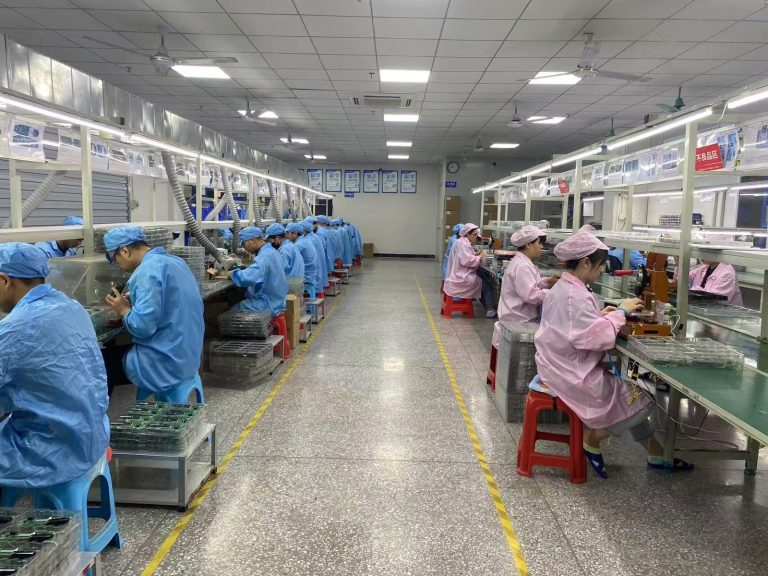
Every SYNIXFIELD medical aesthetic laser device is manufactured inside our ISO 13485 Shenzhen cleanrooms by parent group LEIJEX (Energy-Based Medical Aesthetic Device Manufacturer) with 48-hour full-power burn-in calibration, doctor-led clinical SOP manuals, and 24/48-hour global telemetry engineering support.