Executive Clinical Engineering Summary
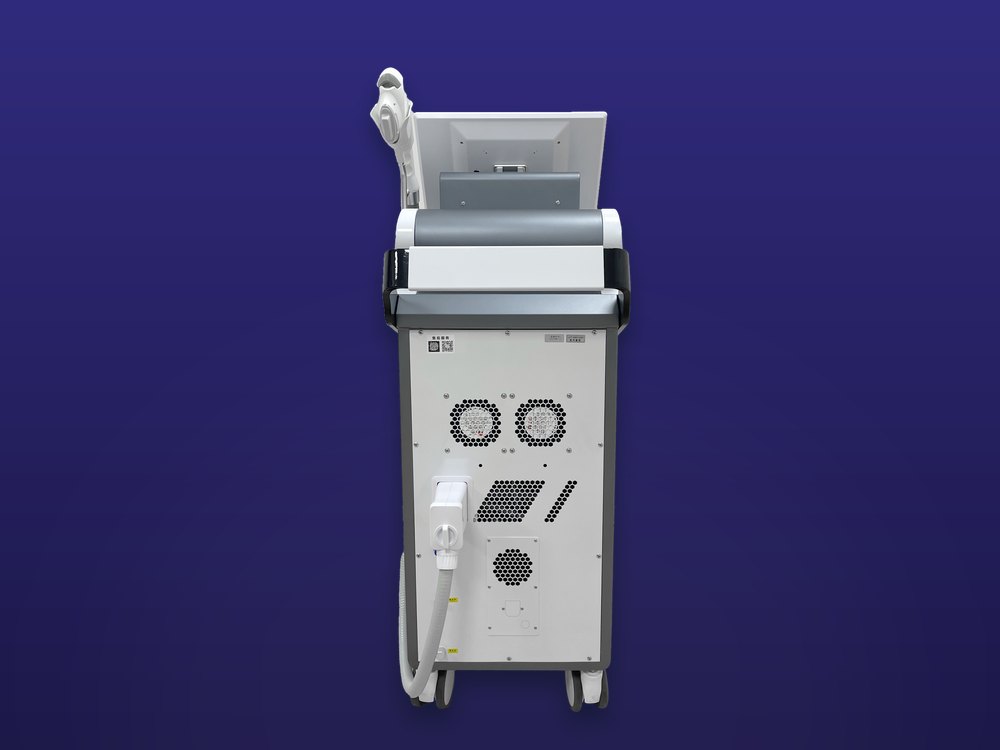
The modern medical aesthetic IPL device has evolved from uncalibrated broad-spectrum flashlamps into precision-engineered, narrow-spectrum photothermal systems. By isolating vascular absorption bands (500–600 nm Dye Pulsed Light / DPL) and implementing Insulated-Gate Bipolar Transistor (IGBT) square-wave OPT (Optimal Pulse Technology), clinical practitioners can eradicate telangiectasia, rosacea erythema, and epidermal melanocytic dyschromia while sparing surrounding cutaneous tissues and preventing post-inflammatory hyperpigmentation (PIH).
1. Modality Evolution: From Broad-Spectrum Flashlamps to Narrow-Spectrum Precision
First-generation Intense Pulsed Light (IPL) platforms delivered polychromatic incoherent light spanning from 400 nm to 1200 nm via xenon discharge lamps. While versatile, broad-spectrum emission suffered from substantial physical limitations: significant energy was dissipated in near-infrared water absorption (900–1200 nm), generating unselective bulk dermal heating, while high-fluence blue wavelengths (400–480 nm) created excessive epidermal melanin absorption, predisposing darker phototypes (Fitzpatrick III–V) to blister formation and paradoxical hyperpigmentation.
The next generation of the medical aesthetic IPL device integrates narrow-spectrum filtering technology—most notably Dye Pulsed Light (DPL). DPL incorporates specialized interference crystalline filters that compress the emission bandwidth to a targeted 500–600 nm or 550–650 nm window. This spectral window concentrates 100% of optical energy directly onto the twin oxyhemoglobin absorption peaks (542 nm and 577 nm), dramatically elevating the vascular absorption selectivity index by 300% to 500% compared to standard broad-spectrum cutoff filters.
2. Biophysical Chromophore Selectivity: Oxyhemoglobin vs Melanin Kinetics
Clinical photothermal clearance relies on Anderson and Parrish’s principle of selective photothermolysis: the target chromophore must absorb optical radiation at a rate significantly higher than surrounding competing tissue structures, within an exposure duration equal to or shorter than the target’s Thermal Relaxation Time (TRT).
Key Biophysical Absorption Peaks in Cutaneous Dermatology:
- Oxyhemoglobin (HbO₂): Primary Soret band at 418 nm; critical clinical diagnostic beta peak at 542 nm; alpha peak at 577 nm.
- Deoxyhemoglobin (Hb): Prominent absorption band around 555 nm and near-infrared plateau.
- Epidermal Melanin: Monotonically declining absorption curve spanning 400 nm through 1200 nm, necessitating precise wavelength and pulse duration discrimination.
- Dermal Water: Negligible absorption between 500–600 nm; exponential rise above 950 nm, causing undesirable bulk thermal accumulation in uncalibrated devices.
By utilizing a dedicated medical aesthetic IPL device equipped with narrow-band DPL 500–600 nm, the ratio of oxyhemoglobin absorption to epidermal melanin absorption is maximized. For abnormal microvascular ectasias (diameter 10–50 μm), intravascular photocoagulation occurs cleanly: microvascular endothelial cells undergo thermal necrosis (target temperature > 70°C), triggering immediate intravascular thrombosis and subsequent macrophage-mediated resorption over a 14-day timeline.
3. Pulse Physics: Square-Wave OPT vs Declining Capacitive Spikes
A major engineering breakthrough in any clinical-grade medical aesthetic IPL device is the transition from passive capacitor bank discharge to active IGBT solid-state switching, commonly designated as Optimal Pulse Technology (OPT) or Constant Fluence Square-Wave delivery:
- Conventional IPL Discharge: Produces a high-voltage initial spike followed by an exponential decay tail. The initial energy spike routinely exceeds the epidermal blistering threshold ({crit}$), causing painful thermal injury, while the prolonged trailing sub-pulse drops below the therapeutic coagulation threshold, generating ineffective bulk heat without vessel closure.
- OPT Square-Wave Modulation: Delivers continuous, uniform rectangular pulses where voltage and current density remain constant throughout each millisecond sub-pulse. Energy is delivered predictably at therapeutic levels without lethal epidermal spikes.
4. Clinical Treatment Protocol & Parameter Matrix
The following clinical parameters represent standardized institutional protocols validated on high-performance medical aesthetic IPL device platforms across dermatology and medspa centers:
5. Clinical Endpoint Visual Markers & Safety Protocols
Achieving optimal clinical efficacy with a medical aesthetic IPL device requires strict recognition of objective cutaneous visual endpoints during the procedure:
- Vascular Ectasias: Immediate intravascular darkening (graying or blanching) or slight focal vessel spasm without perivascular purpura or epidermal lifting.
- Epidermal Dyschromia (Lentigines/Freckles): Mild immediate darkening (subtle gray-brown hue) transitioning into fine micro-crusting (“coffee-ground” appearance) within 24 to 48 hours, sloughing naturally via epidermal turnover within 5 to 7 days.
- Epidermal Barrier Integrity: Chilled sapphire contact cooling maintained at -4°C to +2°C prevents heat accumulation in the basal epidermal layer, eliminating blistering risks even when treating Fitzpatrick phototypes III and IV.
6. Multimodal Clinical Synergies: Combining IPL with RF & Lasers
In comprehensive clinical dermatology practices, a medical aesthetic IPL device functions as the foundational non-ablative clearing platform. Superior aesthetic outcomes are routinely achieved by combining DPL phototherapy with synergistic energy modalities:
- IPL + Monopolar RF: DPL removes superficial telangiectasia and solar lentigines, while deep monopolar 448 kHz radiofrequency heats the reticular dermis to induce neocollagenesis and structural skin tightening.
- IPL + Fractional RF Microneedling: DPL treats diffuse inflammatory erythema (PIE), followed by gold-insulated microneedling to remodel deep atrophic acne scarring.
- IPL + Picosecond Laser: DPL handles broad-field superficial photoaging and rosacea, while targeted picosecond 1064nm / 755nm pulses shatter deep recalcitrant dermal melanocytic deposits (e.g. Ota nevus, Hori macules).
Upgrade Your Clinic with SYNIXFIELD Advanced Phototherapy Systems
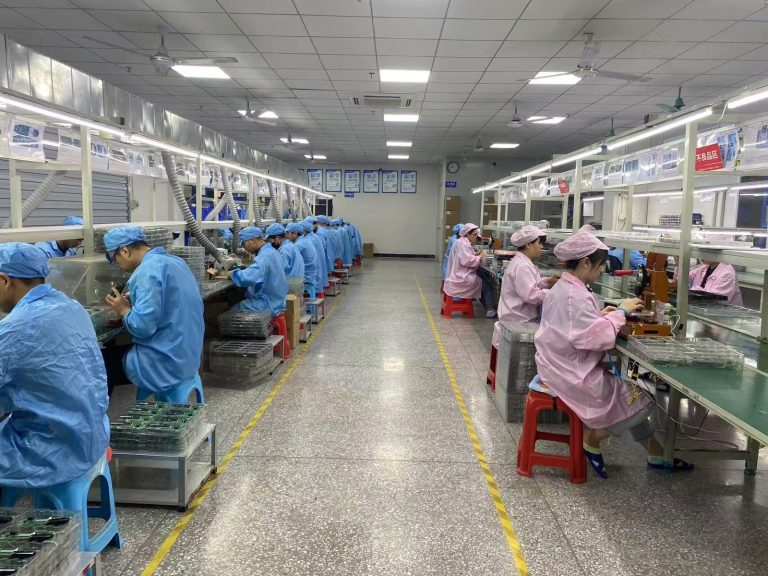
SYNIXFIELD manufactures German-xenon-lamp powered medical aesthetic IPL device systems, offering DPL narrow-spectrum filtration, high-output square-wave OPT pulse generators, and zero-consumable clinic ownership models.