Thermodynamics of Cutaneous Heat Transfer
In non-ablative laser, intense pulsed light (IPL), and high-intensity monopolar radiofrequency treatments, therapeutic success requires delivering supra-threshold thermal energy to deep dermal targets while keeping the epidermis below the thermal pain and necrosis threshold (~45°C).
This is governed by Fourier Law of Heat Conduction (q = -k · grad(T)), where heat removal from the stratum corneum and basal epidermis must outpace heat conduction from deeper coagulated zones.
Comparative Cooling Modalities
| Technology | Contact Sapphire Plate | Dynamic Cryogen Spray (DCD) | Forced Cold Air (Chiller) |
|---|---|---|---|
| Cooling Mechanism | Solid-state conduction (0°C to 4°C) | Evaporative burst (R-134a) | Convective airflow (-30°C) |
| Coupling Efficiency | Highest (Continuous direct contact) | High (Millisecond pulsed) | Variable (Distance dependent) |
| Consumable Canisters Required | None (Closed-loop thermoelectric) | Yes (Frequent canister replacement) | None (Ambient air filtration) |
| Clinical Stability | Continuous, uniform baseline | Nozzle clogging susceptibility | Requires assistant positioning |
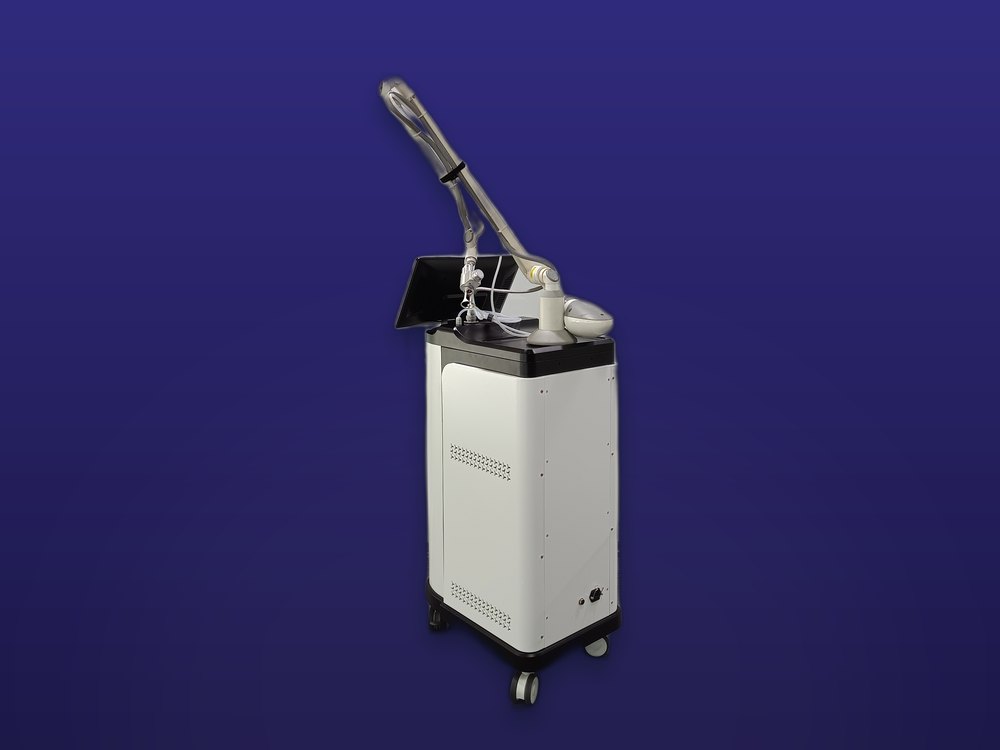
Modern SYNIXFIELD platforms integrate continuous thermoelectric sapphire contact cooling engineered to maintain constant 0°C contact temperatures throughout extended high-repetition procedures, ensuring zero epidermal compromise even at peak clinical fluences.